Review: Rose of Baltimore Embroidery Font
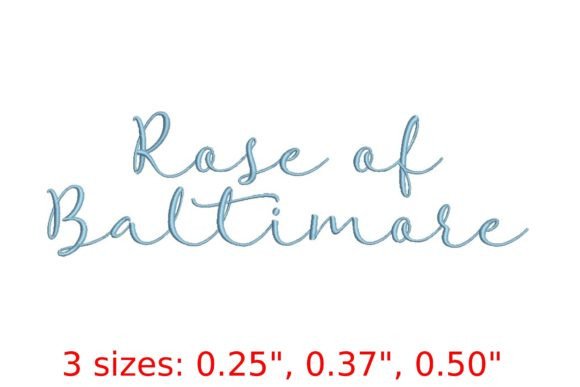
The Rose of Baltimore Embroidery Font is a standout machine embroidery design that brings a touch of vintage elegance to any handmade product. With its delicate and intricate script, it feels both timeless and refined, making it perfect for craft fair sellers looking to elevate their offerings.
First Impressions: Timeless Elegance
As an experienced embroidery designer, the first thing I notice about the Rose of Baltimore Embroidery Font is its graceful, flowing script. It exudes a sense of sophistication and refinement, leaning more toward elegant and premium than anything modern or rustic. This makes it ideal for products that aim to feel special and well-crafted.
Best Uses for Rose of Baltimore Embroidery Font
This embroidery file shines on a variety of craft fair products, including tote bags, aprons, tea towels, and pillow covers. Its soft curves and detailed lines make it particularly effective on fabric pouches and small pouches, where it can serve as a subtle yet striking accent. For a weekend booth display, it’s a great choice for embroidered patches and caps, where it can catch the eye from a distance.
On a tote bag design, the Rose of Baltimore Embroidery Font adds a refined touch that stands out without overwhelming the overall look. On apron embroidery, it works well as a central focal point, especially when paired with simple background patterns. For tea towel embroidery, it can be used in smaller sizes to add a decorative flair without being too busy.
Practical Selling and Production Considerations
When evaluating the Rose of Baltimore Embroidery Font for commercial embroidery, one of the key factors is how easily it translates to different product types. The font works well as both a small accent and a larger focal design, depending on the project. Its intricate details may require careful attention to stitch density and stabilizer use, especially on textured towels or dark fabrics.
For Etsy sellers and small shop product creators, this embroidery file offers versatility. It photographs well for online listings, especially when used on light-colored fabrics where the detail can be clearly seen. However, it’s important to test the design on scrap fabric before committing to batch production, ensuring that thread colors and hoop size are optimized for the intended use.
Careful-Use Notes for Embroidery Designers
While the Rose of Baltimore Embroidery Font is beautiful, it does have some limitations. Dense stitch areas may cause puckering on thin or stretchy fabrics, so using the right stabilizer is crucial. Tiny details can be lost at smaller sizes, which means it’s best suited for designs that are large enough to maintain clarity.
Curved cap surfaces can be challenging for this font, as the script may not sit evenly on the curved edges. Dark fabrics may also require a contrasting thread color to ensure visibility. For those creating printable mockups or digital embroidery files, it’s worth checking the file’s resolution and compatibility with different embroidery machines.
Impact on Visual Appeal and Customer Engagement
The Rose of Baltimore Embroidery Font has a strong visual appeal that can significantly enhance the value of handmade products. Its elegant style draws customer attention, especially in a craft fair setting where visual impact is key. When displayed on a booth sample, it can help differentiate your products from others, reinforcing a sense of quality and care.
For brand consistency, this font can serve as a signature element across multiple product types, helping to create a cohesive look. As a boutique maker or creative entrepreneur, using it consistently can help build recognition and trust among customers.
Embroidery Designer Tips for Success
Before finalizing any craft fair product, I always recommend testing the Rose of Baltimore Embroidery Font on different fabric textures. This helps identify any potential issues with stitch density or thread contrast. Reviewing spacing and confirming the correct hoop size will also ensure that the design looks clean and professional on the finished product.
Creating at least one real mockup is essential for understanding how the design will appear in person. Comparing fabric colors and ensuring that the design aligns with your brand’s aesthetic can make a big difference in customer engagement. Lastly, confirm commercial licensing before selling finished products, especially if you're an Etsy seller or planning to offer this design as a digital embroidery file.
Conclusion: A Premium Choice for Handmade Creators
The Rose of Baltimore Embroidery Font is a versatile and elegant option for anyone looking to add a touch of class to their handmade products. Whether you’re preparing for a Back To School season or simply aiming to stand out at a craft fair, this embroidery file offers a unique blend of beauty and practicality.
As an embroidery designer, I find that it excels in creating high-quality, visually appealing items that resonate with customers. Its ability to enhance the look of tote bags, aprons, and other common craft fair products makes it a valuable addition to any designer’s collection of design assets.